
For more than two decades, farmers growing genetically modified (GM) maize, cotton and soybean in South Africa have achieved higher yields, reduced pesticide use and improved their incomes.
Through my work as a research scientist at the Agricultural Research Council (ARC), I have seen that these outcomes are not accidental. They are the result of deliberate policy, strong scientific collaboration and farmer-led adoption that offer valuable insights for other countries across the continent.
Since South Africa’s first commercialisation of GM crops in 1998, it has become a continental leader in the adoption of biotechnology. We grow GM maize, cotton, soybean and canola, with adoption rates among the highest in the world.
As of 2021, approximately 83 per cent of all maize grown in South Africa was genetically modified, with welfare benefits to adoptive farmers estimated to be up to $695 million from 2001 to 2018.
This success stems from a strong regulatory system that fosters trust in the minds of both farmers and the public. For instance, South Africa’s Genetically Modified Organisms Act, passed in 1997 and modified in 2006, established a clear framework for research, safety assessments and commercialisation.
It also allowed small-holder and commercial farmers to access improved seeds without long bureaucratic delays. These farmers see the results, including better yields, fewer pest outbreaks and lower input costs, directly in their fields — all of which reinforce their willingness to continue planting GM crops.
I have witnessed this through my long-standing collaboration with the African Agricultural Technology Foundation (AATF) since 2008, particularly on biotechnology adoption and drought-mitigation projects.
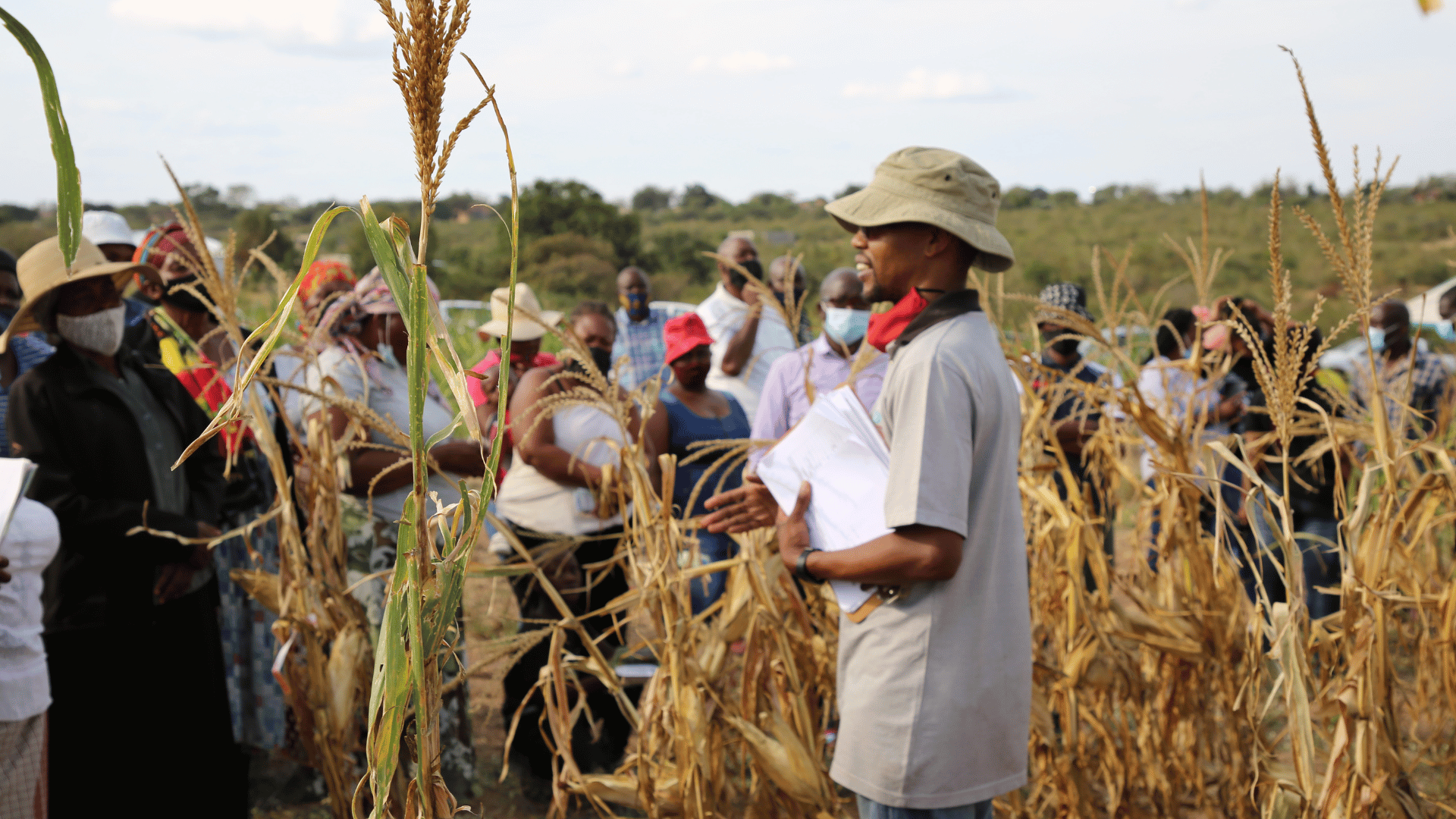
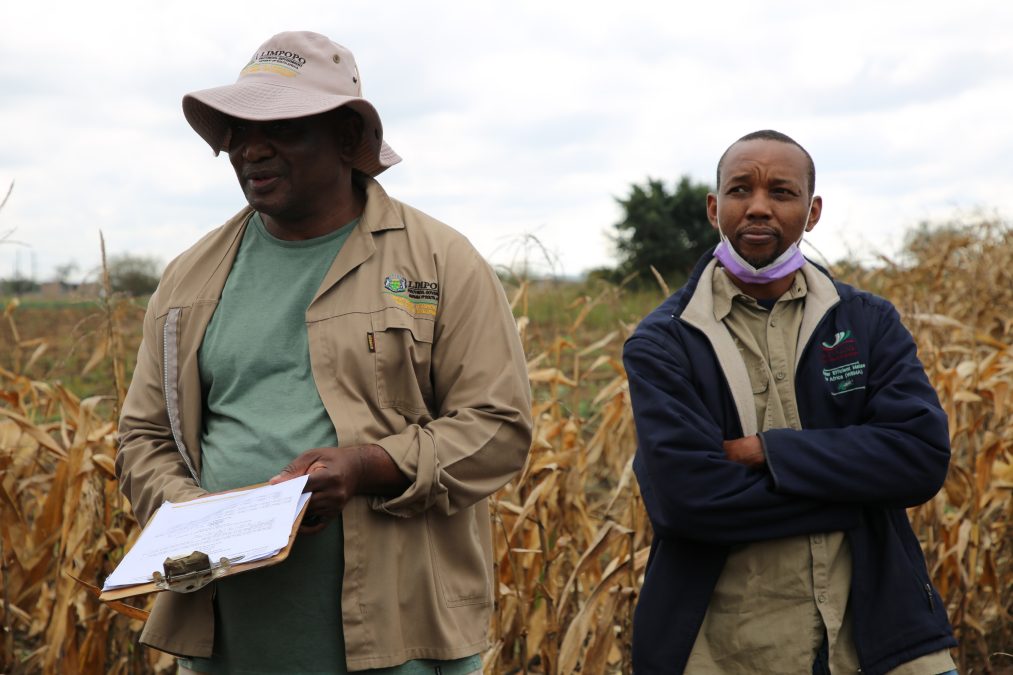
One of the most important studies I contributed to was a peer-reviewed assessment of TELA Bt maize, which found that farmers in South Africa’s Limpopo and Mpumalanga provinces who adopted the variety achieved 61 per cent higher yields and 33 per cent higher incomes per hectare compared to non-adopters.
These improvements translated into families investing in more fertilisers for their crops, improving storage facilities, and the education of their children. The study also found that adopting households were better able to recover from drought seasons and reinvest in farm improvements, a reminder of how biotechnology can shape long-term well-being in rural communities.
Lessons for wider adoption of biotechnology and GM crops across Africa
Across Africa, farmers face increasingly severe climate and pest pressures. Our continent is warming faster than the global average, leading to extreme weather events such as floods and droughts that are devastating farmlands.
In the 2023/24 farming season, cereal yields in Southern Africa were 16 per cent below average due to the occurrence of extreme weather events, while North Africa’s cereal output was about 10 per cent lower.
Pest infestations are also reducing crop yields by up to 40 per cent, with fall armyworm causing potential annual losses of more than $13 billion. Africa’s staple crops, such as maize, are already projected to decline by up to 30 per cent by 2030 if adaptive measures are not scaled up.

From what I have seen in South Africa, these losses can be drastically reduced. Farmers who adopt Bt maize in provinces like Limpopo and Mpumalanga report fewer pest outbreaks, lower input costs and more stable harvests even during dry spells.
Due to the built-in pest resistance in Bt maize, farmers can reduce pesticide spraying by up to 75 per cent, cutting costs while minimising environmental impacts.
I believe that collaboration, clear regulation and transparent communication will enable more African countries to follow South Africa’s path. Our story shows that when countries combine science, policy and farmer engagement, biotechnology works. It is not a miracle—it is a proven solution. And the rest of Africa stands to benefit from these lessons.